Fortune from the Reef: How 19th-Century Wreckers Built Key West
Fortune from the Reef How 19th-Century Wreckers Built Key West
The Real Story Behind the Richest City in America
Key West”s wrecking era is often blurred by the language of pirates, hidden treasure, and lawless men racing across turquoise water to strip a helpless ship. The truth is more disciplined, and in many ways more remarkable. During the 19th century, professional wreckers formed a regulated maritime industry that responded to one of the most dangerous stretches of sea in North America. Their fortunes came from skill, speed, seamanship, and legal salvage awards, not simply from stealing cargo.
The Florida Straits offered every ingredient for disaster: coral reefs, shifting shoals, narrow channels, sudden squalls, strong currents, and heavy commercial traffic moving between the Gulf of Mexico, the Caribbean, and Atlantic ports. When vessels grounded, local crews were often the closest practical help. Over time, Key West developed from a remote island settlement into an organized commercial powerhouse, supported by warehouses, courtrooms, lookout towers, shipyards, and a sophisticated network of captains and laborers. An Authoritative Source on the wider history of the profession helps explain how that legal framework shaped both the industry and the city.
Visitors can still trace the money made from the reef in Old Town”s wooden houses, broad porches, masonry warehouses, harbor-front streets, and museums devoted to the sea. The story is especially rewarding because it can be experienced on foot. A walk from the waterfront toward Duval Street reveals how salvaged fortunes became permanent buildings, while museum exhibits add the human detail that streets alone cannot provide.
Order on the Water and the Federal Court of Admiralty
The establishment of a Federal Court at Key West in 1828 gave the wrecking business a legal center. Judge James Webb and, later, William Marvin helped administer admiralty law in a port where disputes over cargo, ownership, labor, and compensation could otherwise have become violent or impossible to resolve. The court”s presence signaled that wrecking was not an informal free-for-all. It was a commercial activity subject to evidence, hearings, claims, and judicial decisions.
Legal salvage began with a basic moral and practical obligation: human life came before property. Crews were expected to rescue passengers and sailors, provide assistance, and secure the wreck before turning attention to cargo. Salvage awards were then assessed according to the danger faced, the value preserved, the speed and effectiveness of the response, and the conduct of the rescuers. A crew that saved a valuable cargo under difficult conditions could receive a substantial award, while careless, dishonest, or unnecessarily destructive behavior could weaken its claim.
That distinction separated licensed, bonded wreckers from pirates. Professional crews operated vessels suited to shallow water and maintained reputations that mattered in court and in the harbor. Their work required cooperation with merchants, shipowners, insurers, customs officials, and cargo buyers. Wreckers might compete fiercely to reach a grounded vessel first, but competition did not erase the rules. The resulting system rewarded initiative while placing salvage within a recognizable legal order.
- Human life and immediate safety came before cargo recovery.
- Salvors had to demonstrate that their work contributed meaningfully to saving property.
- Courts considered risk, skill, speed, value preserved, and the behavior of the crew.
- Bonded and recognized operators had stronger standing than unauthorized opportunists.
- Disputed cargo and salvage payments could be examined through admiralty proceedings.
The court also helped turn uncertainty into investment. A captain could outfit a vessel, hire experienced hands, and accept risk with some expectation that successful work would be compensated. Merchants could purchase or warehouse recovered goods within a recognized commercial environment. This legal predictability was one of the foundations of Key West”s prosperity.
Watchtowers and Fast Sloops Along the Reef
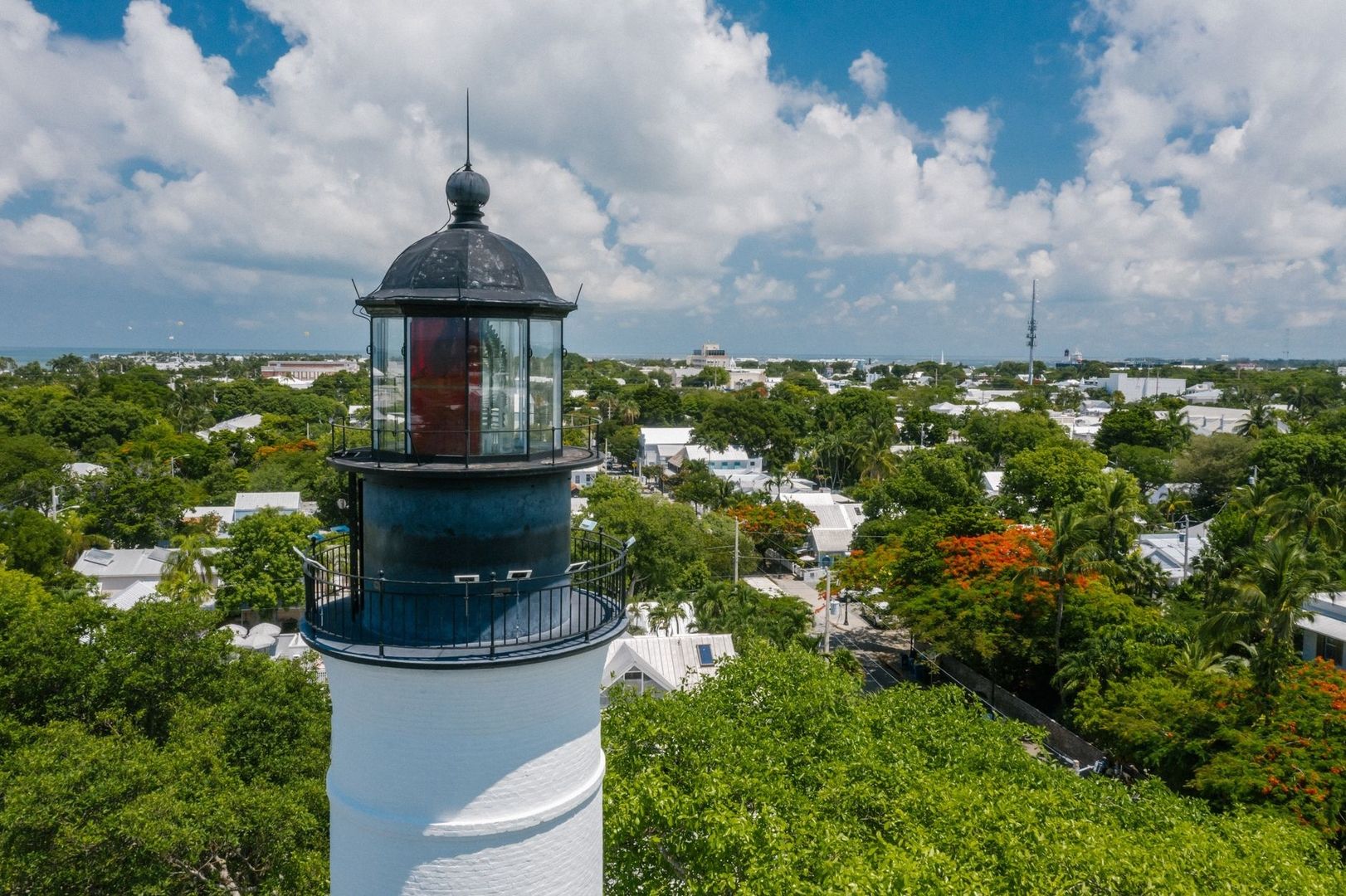
Speed began before a wrecker ever left the dock. Lookout towers were erected on or near warehouse roofs, giving observers a wider view over the low island and the surrounding sea. From those elevated positions, watchers searched for smoke, sails, unusual movement, or the telltale posture of a vessel in distress. In an era without radio, radar, or reliable long-distance communication, height and constant attention offered a valuable advantage.
When a wreck was spotted, the famous cry of “Wreck Ashore” could trigger a frantic but practiced response. Captains hurried to launch, crews gathered equipment, and rival vessels competed to reach the casualty. The best crews knew that the first arrival was not enough. They needed anchors, pumps, hawsers, tools, boats, and men capable of working in shallow, turbulent water. A successful operation might involve stabilizing the ship, unloading cargo, refloating it, or moving goods to safety before weather destroyed the opportunity.
Wrecking vessels were designed for the local environment. Shallow drafts helped them cross reef flats and approach grounded ships where deeper merchant vessels could not maneuver. Sloops and other small craft needed a combination of speed, stability, carrying capacity, and responsive handling. The ideal vessel could move quickly under sail, work close to coral, and carry recovered goods without becoming dangerously overloaded. This was specialized coastal seamanship, not a casual excursion in a fishing boat.
| Part of the enterprise | Why it mattered |
|---|---|
| Lookout towers | Extended the visual horizon and allowed crews to detect casualties quickly. |
| Shallow-draft sloops | Reached reef edges and grounded vessels that larger ships could not approach safely. |
| Salvage awards | Compensated crews according to risk, skill, speed, and property preserved. |
| Court costs | Reduced the final return when ownership or compensation required legal proceedings. |
| Warehouses | Provided secure places to sort, store, document, and sell recovered goods. |
Cargo values varied enormously, so there was no single standard payday. A vessel might carry modest household goods, valuable textiles, machinery, foodstuffs, or precious metals. Salvage compensation was generally a portion of the value saved rather than a simple fixed wage, and the court could weigh the danger and result of each operation. Fees, legal expenses, storage, labor, and damage to the salvors” own equipment also affected the final return. A dramatic rescue might produce a fortune, but many ordinary operations involved hard work, uncertain outcomes, and considerable risk.
Walking in the Footsteps of Key West Wrecking Barons
The Key West Shipwreck Treasure Museum, located at 1 Whitehead Street adjacent to Mallory Square, provides an ideal starting point for understanding the scale and drama of the salvage industry. Its 65-foot observation tower offers the kind of elevated perspective that once made lookout posts so valuable along the island’s busy western approaches. From above, the compact relationship between the deep harbor, the shallow flats, and the surrounding sea becomes easier to appreciate. The museum experience is particularly suitable for visitors who want an accessible, artifact-rich introduction before exploring Old Town on foot.
The Oldest House Museum at 322 Duval Street adds an intimate, domestic dimension to the story. Constructed circa 1829 by Bahamian ship carpenter Richard Cussans and later purchased and expanded around 1834 by wrecking captain Francis Watlington, the historic home illustrates how maritime earnings were translated into family estates and civic permanence. Its importance extends beyond its classic mortise-and-tenon architectural joinery; the home links the formal rulings of the admiralty court to the daily lives of captains, mariners, and families who settled the frontier port.
The western harborfront district around Mallory Square, Wall Street, and Front Street highlights the commercial engine of the salvage economy-distinct from the Key West Historic Seaport (Key West Bight), which sits further northeast along Margaret and William Streets. Along the Mallory Square waterfront, historic warehouses, customs buildings, and docks once received, inventoried, and auctioned tons of goods retrieved from stranded hulls. Walking inland from this bustling western shoreline toward Duval Street makes the historical layout clear, showcasing how practical quayside infrastructure connected directly with civic and residential life.
- Begin at Mallory Square on the western harborfront, orienting yourself along the historic quay where salvage sloops docked and cargo auctions took place.
- Tour the Key West Shipwreck Treasure Museum at 1 Whitehead Street, climbing its 65-foot lookout tower for panoramic views across the harbor and exploring genuine salvage artifacts from famous reef casualties.
- Head east along Front Street past historic customs and warehouse sites, noting the sturdy brick architecture built to protect goods before walking toward Duval Street.
- Walk southward along Duval Street to the Oldest House Museum at number 322, exploring the residence built by carpenter Richard Cussans and expanded by wrecking captain Francis Watlington and his family.
- Conclude with a walk through the surrounding Old Town residential streets, observing Bahamian-influenced woodwork, maritime framing techniques, and roofline cupolas that reflect Key West’s salvage wealth.
Plan this route for the cooler part of the day, especially during the hot and humid months. Comfortable shoes, water, sun protection, and weather awareness make the experience considerably easier. Old Town is walkable, but distances feel longer under strong afternoon sun, and museum hours or access conditions can change. Check each attraction”s official information before setting out, particularly during holiday periods, storms, or special events.
Chart Your Own Course Through Living Maritime History
The wrecking era did not end because Key West suddenly lost its maritime importance. It faded as technology made navigation safer and transportation more predictable. Lighthouses improved the identification of reefs and channels, while steamships became less dependent on wind and could follow more reliable schedules. By the early 20th century, the combination of better aids to navigation, improved charts, changing shipping patterns, and stronger vessel technology had reduced the conditions that once made wrecking so profitable.
Its legacy remains visible in the built environment and in the character of Key West. Wrecking money helped fund houses, warehouses, businesses, churches, and public improvements. The industry also created a culture that valued practical seamanship, commercial independence, and readiness for difficult conditions. For visitors, the most rewarding approach is to combine a museum visit with an unhurried Old Town walk. Start near the water, climb where a lookout once might have scanned the horizon, then follow the streets toward the homes and businesses that transformed maritime risk into a lasting island community.
Allow an afternoon rather than rushing between attractions. Check museum details in advance, protect against heat, and leave room to pause along the waterfront. Key West”s maritime history is best understood not as a tale of buried treasure, but as a story embedded in buildings, streets, legal records, and the reef itself. Once that perspective is in place, the island”s familiar charm takes on another dimension: behind the porches and harbor views stands a disciplined industry that helped build the city visitors come to explore.